

Ocean Legend places members in an underwater arena where moving creatures, cannon settings, and timed rewards shape every round on IGO. This guide explains the game structure, controls, target behavior, room choices, and focused shooting methods so players can understand each feature before joining.
How Ocean Legend works within the IGO platform
The game opens with a wide aquatic screen where fish cross several lanes, while each cannon fires toward selected targets from a fixed position. Every shot uses the chosen stake in PHP or USD, and successful hits return values based on creature type, weapon level, and current multiplier. Because targets remain active continuously, attention must shift as new routes overlap.
Ocean Legend includes ordinary fish, armored creatures, group targets, and special characters that may trigger larger returns or temporary effects. Members can change cannon power, lock onto moving objects, or fire manually, while the round continues without separate hands or card-based stages. Although rules stay simple, changing screen conditions require steady visual attention.

Core controls and target conduct during every round
Ocean Legend depends on accurate control choices because every creature moves differently, while each weapon level changes the cost and force of a shot. Players should understand the interface before firing often, since the screen can become crowded when several valuable targets enter together.
Choosing cannon tiers carefully
Cannon controls normally allow quick movement between lower and higher values, so members can match shot strength with target size and expected return. A low setting suits small fish crossing open lanes, while a stronger level may fit armored creatures that remain visible for longer periods. When several fish overlap, reduced power can limit costly misses.
Switching power too often can interrupt timing, because the target may leave the firing line before the next shot reaches its position. Players can hold one level during calm sections, then raise it only when a clear high-value creature appears near the center. Once the path clears, the original setting can be restored smoothly.
Reading target motion patterns
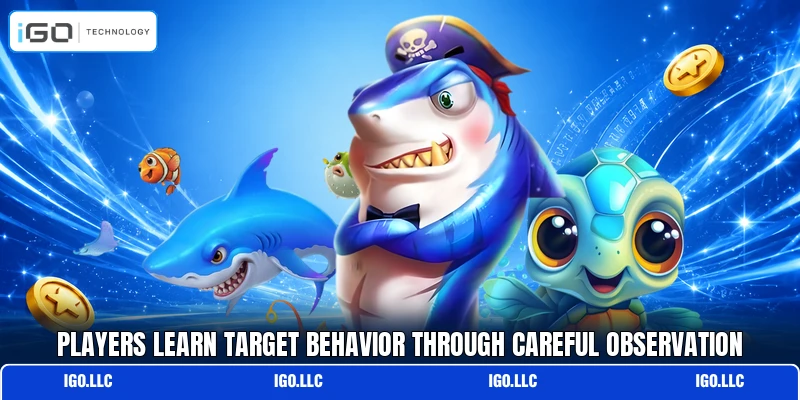
Small creatures often travel in straight groups, while larger targets may curve, pause, accelerate, or enter behind other objects that block a clean view. Members can watch one complete movement cycle before shooting, which helps identify entry points, turning zones, and likely exit directions. Because these routes repeat, observation can reveal safer firing moments.
A target near the edge offers limited time, whereas one moving through the middle gives several angles for controlled fire. Players should avoid chasing every object across the screen, because scattered shots reduce accuracy and make the next target harder to judge. When visibility improves, one chosen line can replace several rushed attempts.
Ocean Legend reward creature timing
Special creatures usually stand out through size, animation, or visual effects, yet their exact value can depend on the room and current game state. Members should check the displayed symbol or multiplier before committing several shots, since some bonuses reward direct hits while others affect nearby targets. If the icon changes, the expected effect may also change immediately.
View more: Treasure Bowl Fishing – Rules, Features, And Play Guide
During Ocean Legend, a bonus object may appear among ordinary fish, so careful tracking matters when the screen becomes busy. Players can aim slightly ahead of its path, then stop firing once the creature reaches a crowded edge or leaves the strongest angle. When the route bends sharply, manual aim often becomes less reliable.
Room selection and focused approaches for better shots
Room choice changes the available stake range, target values, and pace, while the basic controls remain familiar across different tables. A suitable setting lets members follow movement clearly, and Ocean Legend becomes easier to read when the selected limits match their intended shot size.
Entering the right room
Entry rooms commonly use lower PHP or USD shot values, which gives new members more time to learn cannon movement and target speed. Higher rooms may present larger figures, faster action, or stronger creatures, so the displayed limits should be reviewed before the first round begins. Because each lobby differs, listed figures deserve a fresh check.
Ocean Legend room selection should follow the values shown on screen rather than assumptions about returns from another table. Players can compare minimum fire cost, maximum setting, and visible target range, then choose the environment that fits their planned session. When limits feel unclear, a lower table offers easier comparison.
Using multipliers with purpose
Multiplier controls increase both firing cost and possible return, so each change should connect with a visible target rather than random screen activity. Members can keep a moderate level for common fish, then apply a higher setting when an isolated special creature crosses a stable lane. If movement stays predictable, the selected increase has a clearer purpose.
In Ocean Legend, repeated high-multiplier shots against a disappearing target can consume credits without creating another useful angle. Players should release the lock when movement becomes blocked, then wait for a cleaner path before selecting the next cannon value. After separation appears, controlled fire can resume with better visibility.
Planning shots near special targets
Special targets often attract immediate attention, but nearby fish can absorb shots when several creatures overlap within the same route. Members can delay briefly until the main object separates, which creates a clearer line and reduces wasted fire on low-value movement. Because overlap changes quickly, a brief pause may improve the next angle.
The strongest Ocean Legend approach uses position, timing, and target type together instead of relying on rapid tapping alone. Players should focus on center-screen entries, controlled bursts, and visible bonus indicators, then pause when the route becomes crowded or uncertain. When indicators vanish, attention can return to ordinary moving groups.

View more Category: Fish
Conclusion
Ocean Legend combines moving underwater targets, adjustable cannons, changing multipliers, and special creatures within a continuous shooting format that rewards careful reading. Members can access the title through IGO, review the room limits, and select PHP or USD settings that match the displayed options. Download the app, complete registration, open the game lobby, and begin with clear controls while wishing for a lucky first session.